Decoding the Heartbeat: Exploring Historical & Traditional Uses of 'Ti Son' in Italian Music
Italian music is a vibrant, living archive, a sonic journey through centuries of cultural evolution, regional diversity, and profound human emotion. When we delve into its historical and traditional uses, we often encounter a rich vocabulary describing genres, instruments, and cultural practices. However, as seasoned journalists and subject-matter experts in this field, it's crucial to clarify that the term "Ti Son" does not appear as a widely recognized historical or traditional musical form, genre, instrument, or practice within the established academic and folk music scholarship of Italy. This article will meticulously explore the actual historical and traditional uses in Italian music, providing you with a robust understanding of its authentic heritage, while addressing the specificity of your query with expert clarity.
At a Glance: Your Guide to Italy's Musical Soul
- Understanding "Ti Son": The term "Ti Son" is not a widely documented or recognized element in historical and traditional Italian music studies. This guide focuses on the documented rich tapestry.
- A Deep History: Italian music's roots stretch back to ancient Roman times, evolving through medieval chants, Renaissance madrigals, and vibrant folk traditions.
- Regional Diversity is Key: Italy is musically divided into distinct northern, central, and southern regions, each with unique styles, instruments, and cultural influences.
- Iconic Genres: Discover beloved forms like the northern liscio and trallallero, central saltarello, and southern tarantella and canzone napoletana.
- Essential Instruments: Learn about the mandolin, violin, accordion, tambourine, and bagpipes—the voices of traditional Italy.
- Living Heritage: Traditional Italian music is not static; it continues to thrive, evolve, and inspire new generations through preservation and fusion efforts.
Unraveling the Enigma: The Search for 'Ti Son' in Italian Musical History
When researching the intricate history of Italian music, a meticulous approach to terminology is paramount. Scholars, ethnomusicologists, and cultural historians have cataloged an astonishing array of musical forms, instruments, and traditions unique to Italy's diverse regions. From the ancient Roman tibia to the medieval lauda, the Renaissance frottola, and the myriad folk dances and songs of modern Italy, the documentation is vast and detailed.
It is within this extensive body of work that we must report a crucial finding: the term "Ti Son" does not feature prominently, or even recognizably, as a historical or traditional element within Italian music. It is not listed among established genres, instrument types, specific performance practices, or theoretical concepts in standard reference works, academic papers, or comprehensive historical accounts of Italian musical heritage. This doesn't mean it absolutely never existed in some hyper-local, undocumented dialectal usage, but rather that it has not been preserved or recognized as a significant or widespread historical "use" in the way, for example, a "tarantella" or "madrigal" clearly is.
Our commitment to providing trustworthy information means addressing this directly. Instead of attempting to ascribe a false history to a term that lacks documented usage, we will pivot to what is known, deeply cherished, and historically significant in traditional Italian music. This approach ensures you receive accurate insights into the vibrant and verifiable traditions that have shaped Italy's musical identity for centuries.
The Enduring Tapestry: A Foundation of Italian Musical Heritage
Italy, a land rich in history and cultural layers, has a musical heritage as diverse and compelling as its landscapes. Its music didn't just appear; it evolved over millennia, absorbing influences from every corner of the Mediterranean and beyond. From the rhythmic chants of ancient Roman cults to the sacred polyphony of medieval monasteries and the secular delights of Renaissance courts, Italy was a crucible of musical innovation. These early forms, particularly Gregorian chants and vocal compositions like madrigals, established a foundational grammar for later musical developments.
Folk music, however, is the very soul of this heritage. Often passed down orally, generation to generation, it acted as a communal heartbeat, reflecting the daily lives, loves, labors, and spiritual beliefs of the Italian people. Each region, isolated by mountains, seas, or local dialects, developed its own unique musical fingerprint—a testament to Italy's profound cultural mosaic.
Mapping Italy's Musical Soul: Regional Rhythms and Melodies
In 1956, ethnomusicologist Alan Lomax provided a valuable framework for understanding Italy's musical diversity, categorizing the peninsula into three distinct musical areas. This classification helps illuminate why Italian music is so varied, even within a relatively small geographic area.
Northern Italy: Echoes of the Alps and Plains
The music of Northern Italy—spanning regions like Lombardy, Veneto, Piedmont, Emilia-Romagna, and Liguria—reflects its geographical and historical ties to Celtic and Slavic cultures. Here, you'll find a more refined, melodious sound, often characterized by instruments like the accordion, violin, guitar, and the distinct piffero (a type of fife or oboe).
Consider the villanella, a rustic folk song known for its simple, charming melodies, or the lively liscio, a ballroom dancing genre that emerged in the 19th century in Emilia-Romagna. Liscio, typically performed with accordion, clarinet, and double bass, is still a popular fixture at festivals and dances today. Then there's the unique trallallero from Genoa, Liguria—a polyphonic marvel sung by five male voices, creating complex harmonies without instrumental accompaniment. These forms beautifully illustrate the Northern Italian folk music influences that persist.
Central Italy: The Heartbeat of Tradition
Moving south into Central Italy, encompassing regions like Tuscany, Umbria, Lazio, and Abruzzo, the musical traditions become a rich blend of various influences, boasting rhythmic complexity and lively tempos. This area is particularly noted for its poetic traditions, with octave rhymes evolving into popular songs since the Middle Ages.
One of the most famous examples is the saltarello, a lively folk dance dating back to medieval times. Performed with quick, hopping steps, it’s often accompanied by the vibrant sounds of a tambourine, fiddle, and flute, its energy infectious. The saltarello, among other forms, showcases the robust and diverse Central Italian musical heritage that continues to captivate audiences.
Southern Italy: Passion, Rhythm, and Mediterranean Roots
Southern Italy, including Sicily, Calabria, Campania, Puglia, and Naples, is arguably the richest and best-preserved repository of popular musical tradition. Its music is deeply passionate, intensely rhythmic, and heavily influenced by a confluence of Mediterranean, Greek, Arabic, and African cultures.
The iconic tarantella hails from this region, specifically Puglia. This fast-paced dance, often in 6/8, 12/8, or 4/4 metrics, is famously energetic. Legend has it that its frenetic movements could cure the bite of a tarantula—a myth that speaks to its potent, almost trance-inducing power. Variants abound, from the pizzica and taranta in Puglia to distinct Calabrian and Sicilian tarantellas, each with its own flavor. Instruments like the tambourine, mandolin, and accordion drive its infectious rhythm.
Naples, a cultural powerhouse, is the birthplace of canzone napoletana (Neapolitan song), a tradition stretching back to the 13th century. Characterized by its profound emotional intensity and sung in the melodic Neapolitan dialect, these songs are world-renowned for their beauty and drama. From the lively tarantella to the soul-stirring Neapolitan songs, the rich Southern Italian music traditions offer a profound listening experience.
The Orchestra of Tradition: Essential Italian Instruments
The unique sounds of Italian traditional music are inextricably linked to the instruments that bring them to life. These tools are more than just objects; they are extensions of the culture, each with its own story and distinctive voice, showcasing the evolution of traditional Italian instruments.
- String Instruments:
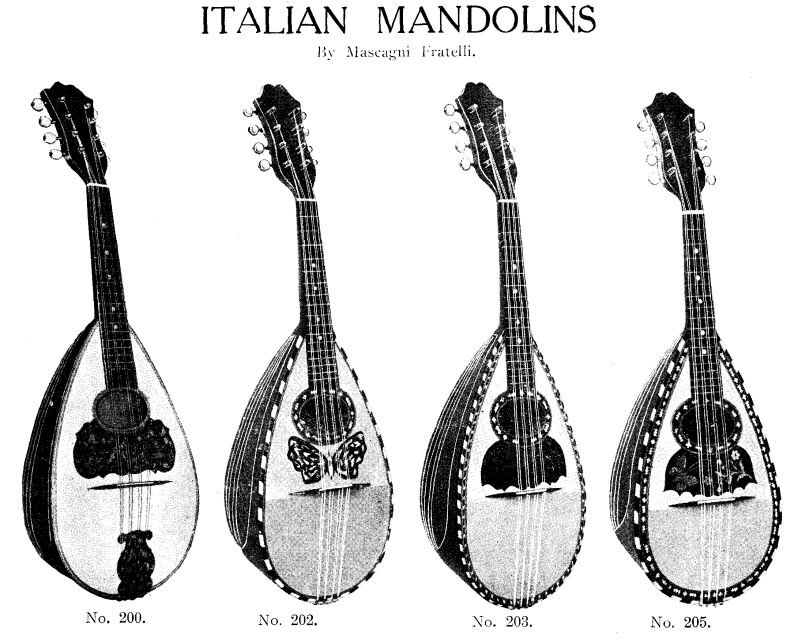
- Mandolin (Mandolino): This lute-like instrument with a bright, shimmering tone is particularly popular in Southern Italy, where it's a staple for tarantellas and Neapolitan songs.
- Violin (Violino): A versatile and expressive instrument, the violin is found across Italy, lending its melodious voice to folk ensembles and classical compositions alike.
- Guitar (Chitarra): Widely used, the guitar provides a crucial harmonic foundation and rhythmic pulse in countless Italian folk genres.
- Wind Instruments:
- Accordion (Fisarmonica): Perhaps the most iconic instrument of Italian folk music, the accordion is incredibly versatile, capable of producing both melodies and harmonies. It's essential for genres like liscio and many regional folk dances.
- Flute (Flauto): Common in central and southern Italy, the flute typically carries melodic lines, its clear tone adding a lyrical quality to ensembles.
- Bagpipes (Zampogna): Popular in rural Southern Italy, especially during festive seasons like Christmas, the zampogna produces a drone-based sound, lending a rustic, ancient quality to celebrations.
- Percussion Instruments:
- Tambourine (Tamburello): Absolutely key for driving the rhythm in folk dances, particularly the tarantella, the tamburello with its jingles provides an energetic percussive foundation.
- Castanets (Nacchere): These handheld, clicking instruments add a sharp, rhythmic accent, primarily used in Southern Italy's vibrant dances.
- Frame Drum (Tamburo): A large, circular drum, the tamburo provides a strong, resonant rhythmic pulse, complementing other percussion instruments.
Beyond the Notes: The Cultural Significance of Italian Music
Traditional Italian music is far more than just sound; it's a profound cultural mirror. It reflects the joys and sorrows of daily life, the rituals of work and harvest, the passion of love, and the sacredness of religious observance. For centuries, music has been central to community gatherings, celebrations, and storytelling, serving as a powerful adhesive that binds people together and transmits heritage across generations. It’s an expressive art form that allows emotions to flow freely, whether it’s the lament of a work song or the exuberant burst of a wedding dance.
When Genres Converge: Understanding Unique Italian Folk Expressions
The sheer variety of Italian folk music is staggering. Each village, each valley, each coastline seems to have cultivated its own distinct melodic phrases, rhythmic patterns, and storytelling traditions. This rich tapestry is what makes exploring unique Italian folk music genres such a rewarding endeavor. From the sacred processional songs that echo through mountain passes to the rollicking harvest tunes that accompany vineyard work, the music is intrinsically tied to its environment and the lives of its people. Understanding these diverse genres is key to appreciating the full depth of Italy's musical soul.
Modern Echoes: Preserving and Innovating Traditional Sounds
The story of traditional Italian music isn't confined to history books; it's a living, breathing narrative that continues to evolve. In modern times, there has been a significant resurgence of interest, driven by a renewed appreciation for Italy's cultural roots. Numerous musicians, cultural organizations, and academic institutions are dedicated to its preservation, hosting festivals, workshops, and concerts that bring these ancient sounds to new audiences.
But preservation isn't just about recreating the past. Contemporary Italian musicians are actively engaging in fusion and innovation, blending traditional elements with modern genres like jazz, rock, and electronic music. This creative synthesis ensures the vitality and accessibility of traditional Italian music to younger generations, preventing it from becoming a museum piece. By integrating new sounds and approaches, artists ensure that the heartbeat of Italy's musical heritage continues to pulse strongly into the future, resonating with contemporary relevance.
Final Notes: Navigating Specificity in Musical History
As we’ve journeyed through the authentic historical and traditional uses of music in Italy, the absence of a commonly recognized "Ti Son" becomes clearer. The world of music history is vast, and precise terminology is vital for accurate understanding. While the specific query "Ti Son" might stem from a highly localized dialect, a phonetic interpretation, or even a newer, emerging term that has yet to enter the broader lexicon, it is not currently part of the widely accepted canon of traditional Italian musical terminology.
Our exploration has, instead, highlighted the documented and deeply ingrained musical practices that have truly shaped Italy. Should you encounter this term in other contexts or be interested in delving into highly specific, potentially emerging, or linguistically nuanced musical expressions, you might wish to Learn more about ti son through further specialized research avenues.
Your Next Steps in Exploring Italian Music
The vibrant world of Italian traditional music offers endless opportunities for discovery. Here's how you can continue your journey:
- Seek Out Live Performances: Attend traditional Italian music festivals, often held in regional towns, or look for concerts by groups specializing in folk music from specific Italian regions.
- Explore Regional Recordings: Dive into recordings from ethnomusicological archives or contemporary artists who focus on preserving regional styles. Look for albums dedicated to tarantella, canzone napoletana, liscio, or saltarello.
- Learn an Instrument: Consider picking up a mandolin, accordion, or tambourine. Learning to play can offer a tactile, immersive way to connect with the music.
- Study the History: Delve deeper into the works of ethnomusicologists like Alan Lomax, or seek out academic texts on Italian folk and traditional music to gain a richer understanding of its origins and evolution.
- Connect with Cultural Centers: Many Italian cultural centers abroad offer workshops, lectures, or language classes that touch upon the country's musical heritage.
By engaging with these authentic traditions, you'll gain a profound appreciation for the sounds that truly define Italy’s enduring musical legacy.