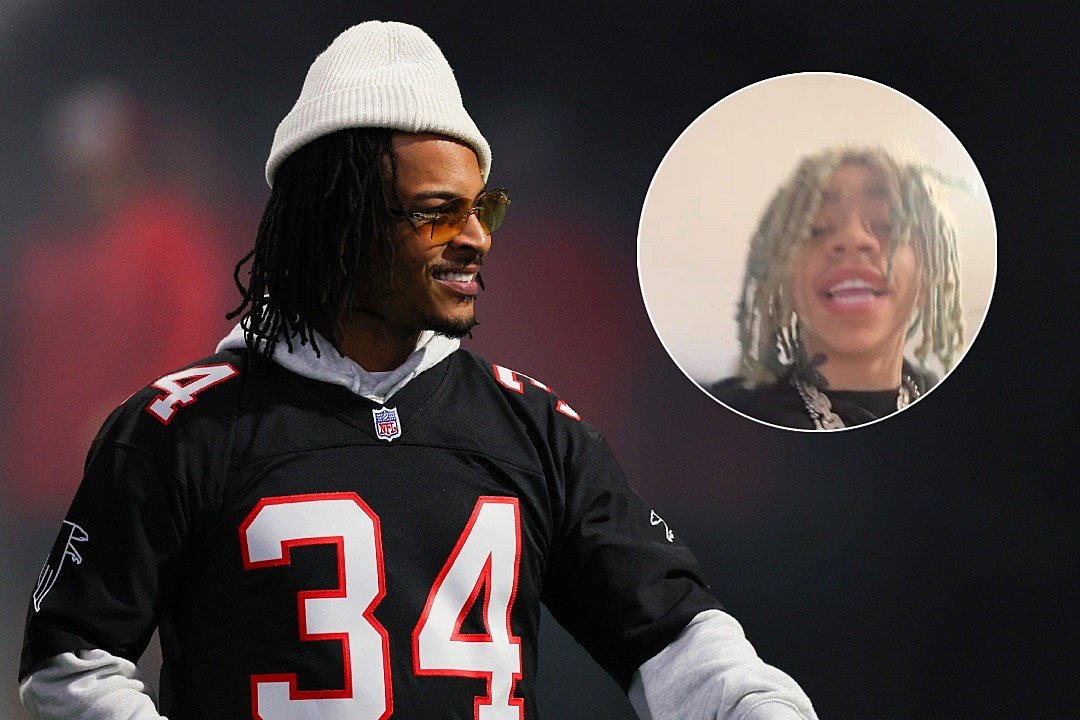
The glare of the public eye can be unforgiving, especially for those born into fame. Clifford “King” Joseph Harris III, known to many as the son of hip-hop titan T.I. and a familiar face from VH1’s T.I. & Tiny: The Family Hustle, recently found himself back in the headlines following an arrest in Dunwoody, Georgia. This latest incident adds another chapter to King Harris's burgeoning legal troubles, prompting wider conversations about celebrity offspring, personal responsibility, and the challenges of growing up under an intense spotlight.
While the phrase "T.I.'s son" immediately conjures images of the Harris family's journey, the two-word phrase "ti son" holds an entirely distinct, profound meaning in the world of Italian language and music. For those curious about the nuances of expression and the power of words to convey deep emotion, our exploration into the linguistic and musical world of "ti son" offers a fascinating counterpoint to the personal story unfolding for King Harris.
Navigating the Spotlight: King Harris's Latest Arrest and Public Scrutiny
At just 19 years old, King Harris has been a fixture in the public eye for over a decade. His recent arrest stems from an incident in Dunwoody, Georgia, where an officer pulled over his BMW. According to reports, King allegedly nearly collided with a police cruiser while exiting a gas station. During the stop, the officer detected the smell of marijuana and observed a gun on King's hip. A subsequent check revealed an active warrant from Pickens County for failure to appear in court. King was cooperative, disarmed, handcuffed, and transported to the DeKalb County Jail, where a vehicle search reportedly uncovered two small baggies of marijuana.
This event underscores the difficult path King Harris has walked, constantly under scrutiny while navigating the complexities of young adulthood.
A Pattern Emerges? Past Encounters with the Law
This isn't King Harris's first brush with the law. In May 2022, when he was 18, an incident at a Waffle House garnered significant attention after he was seen berating an employee and allegedly threatening another with a "pistol-whip." He was later arrested for not wearing a seatbelt and claimed to have been charged with four offenses after refusing a police blood test. Following his release, he famously declared, "The king is back. Bruh, I am back. I’m free."
His father, T.I., has publicly addressed his son's behavior. On a January 24 episode of Club Shay Shay, T.I. candidly admitted King "could use a time out" and discussed how the media often zeroes in on negative aspects of celebrity lives. Such comments highlight the delicate balance parents of public figures often face, trying to guide their children while respecting their autonomy and coping with external judgment.
Beyond the Headlines: Exploring the Deeper Meanings of "Ti Son"
While the headlines are focused on T.I.'s son, King Harris, the phrase "ti son" itself resonates with a rich, independent life, particularly in Italian culture and music. It’s a powerful linguistic construction that transcends simple translation, carrying layers of historical and emotional significance. Understanding its usage offers a profound appreciation for lyrical expression. If you're eager to delve into the fundamental components of this captivating phrase, you might want to Explore Ti Son grammar guide to grasp its grammatical structure and poetic function in various compositions.
This powerful declaration, often meaning "I am to you" or "I am your," serves as a cornerstone in countless ballads and verses, embodying everything from tender promises to heartfelt laments.
The Language of Love and Affection in Song
"Ti son" frequently appears in contexts of deep personal connection, expressing heartfelt sentiments in a way that few other phrases can. It’s a declaration of being, of belonging, or of a profound bond between individuals. From serenades sung under moonlit skies to passionate operatic performances, "ti son" encapsulates the essence of romantic and affectionate pledges. To truly appreciate how artists weave these emotions into their work, explore the Romantic & Affectionate Meanings of this phrase in various musical genres.
Tracing "Ti Son" Through Time and Tradition
The lineage of "ti son" in Italian music is long and illustrious, reflecting centuries of cultural expression. Its presence in traditional folk songs, classical arias, and popular melodies highlights its enduring appeal and adaptability. This phrase has been a vehicle for storytelling, cultural identity, and emotional outpouring across generations. To understand its evolution and the roles it has played in shaping Italian musical heritage, immerse yourself in the Historical & Traditional Uses of "ti son" in the country's rich musical tapestry.
"Ti Son" in the Modern Soundscape
Even in contemporary music, "ti son" continues to find new life and innovative interpretations. Modern artists, from pop stars to rock bands, reimagine this classic phrase, infusing it with fresh relevance and diverse stylistic nuances. It proves that the core emotion conveyed by "ti son" is timeless, capable of resonating with new audiences and adapting to evolving musical trends. For a look at how this phrase is being reinvented today, uncover the Modern Interpretations of Ti Son within today's vibrant music scenes.
Bridging Cultures: Sharing "Ti Son" Globally
Translating the deep cultural and emotional resonance of "ti son" for international audiences presents unique challenges and opportunities. A direct word-for-word translation often misses the poetic weight and implied meanings embedded within the original Italian. Conveying its essence requires an understanding of context, metaphor, and the cultural landscape from which it originates. For those interested in the art and science of bringing such nuanced expressions to a global stage, delving into Translating Ti Son for International offers valuable insights.
Ultimately, whether we're discussing King Harris's journey as the son of a prominent figure, or unraveling the lyrical power of "ti son" in Italian song, both narratives speak to the complex interplay of identity, legacy, and expression. As King Harris navigates his path, and as music continues to evolve, the profound meanings embedded in how we define ourselves and our connections will undoubtedly continue to captivate and challenge us.